
Radiology and Laboratory Services in Coolidge, AZ
When your pet isn’t acting like themselves, it’s natural to worry about what might be going on. Maybe your dog has suddenly started limping, your cat isn’t eating normally, or your usually energetic companion seems unusually tired. While a physical examination can tell us a lot, sometimes we need to look a little deeper to understand what’s happening. At Coolidge Veterinary Hospital, we offer radiology and laboratory services in Coolidge, AZ, to help identify medical concerns and guide appropriate treatment. From pet radiology in Coolidge to diagnostic bloodwork and laboratory testing, our team uses valuable diagnostic tools to investigate symptoms and monitor your pet’s health. We’re here to help you find answers while keeping you informed throughout the process.
A Closer Look at What’s Happening With Your Pet’s Health
Unfortunately, our pets can’t tell us exactly where something hurts or explain why they’re suddenly feeling uncomfortable. That means veterinarians often need to combine physical examinations with diagnostic testing to understand what’s causing a problem.
At Coolidge Veterinary Hospital, we use diagnostic imaging and laboratory services to gather important information about your pet’s internal health. These tools can help us investigate injuries, evaluate organ function, and identify conditions that aren’t always obvious during a routine examination.
Our diagnostic services may include:
- Veterinary Radiology: X-ray imaging to evaluate bones, joints, chest structures, and certain internal abnormalities.
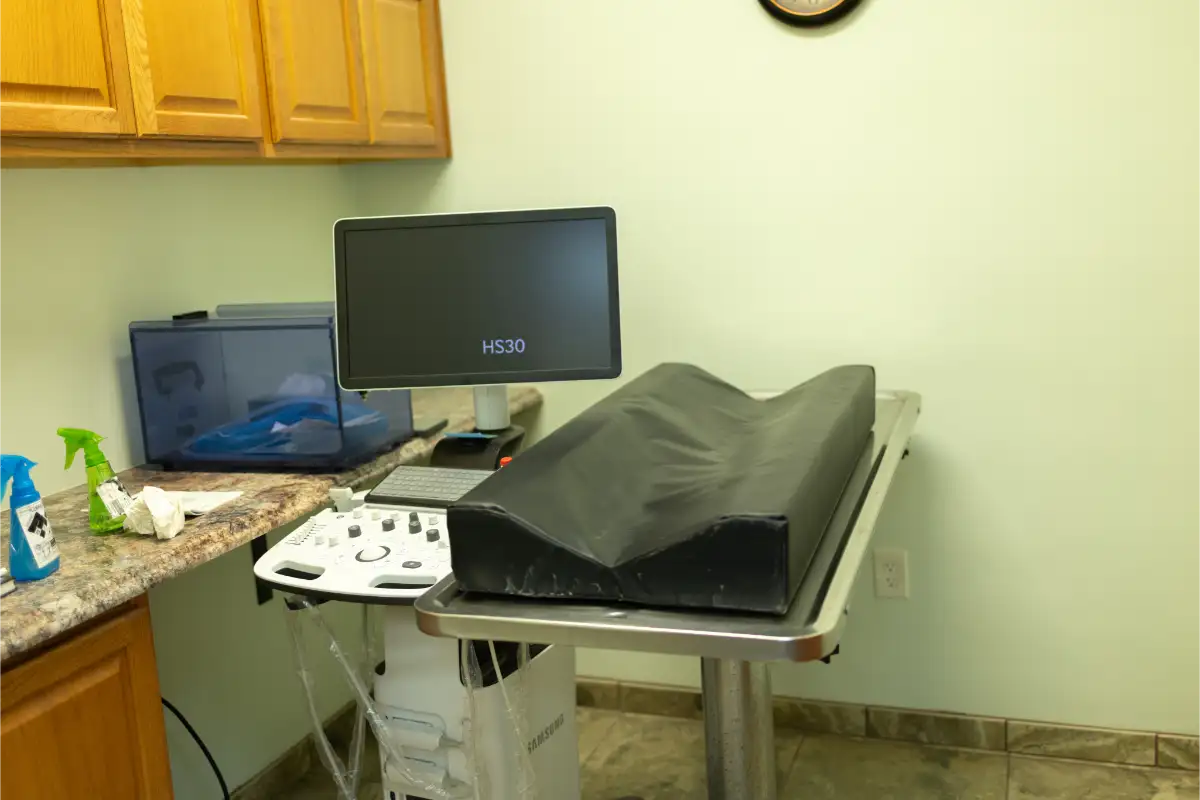
- Ultrasound Imaging: Noninvasive imaging that helps examine internal organs and soft tissues when appropriate.
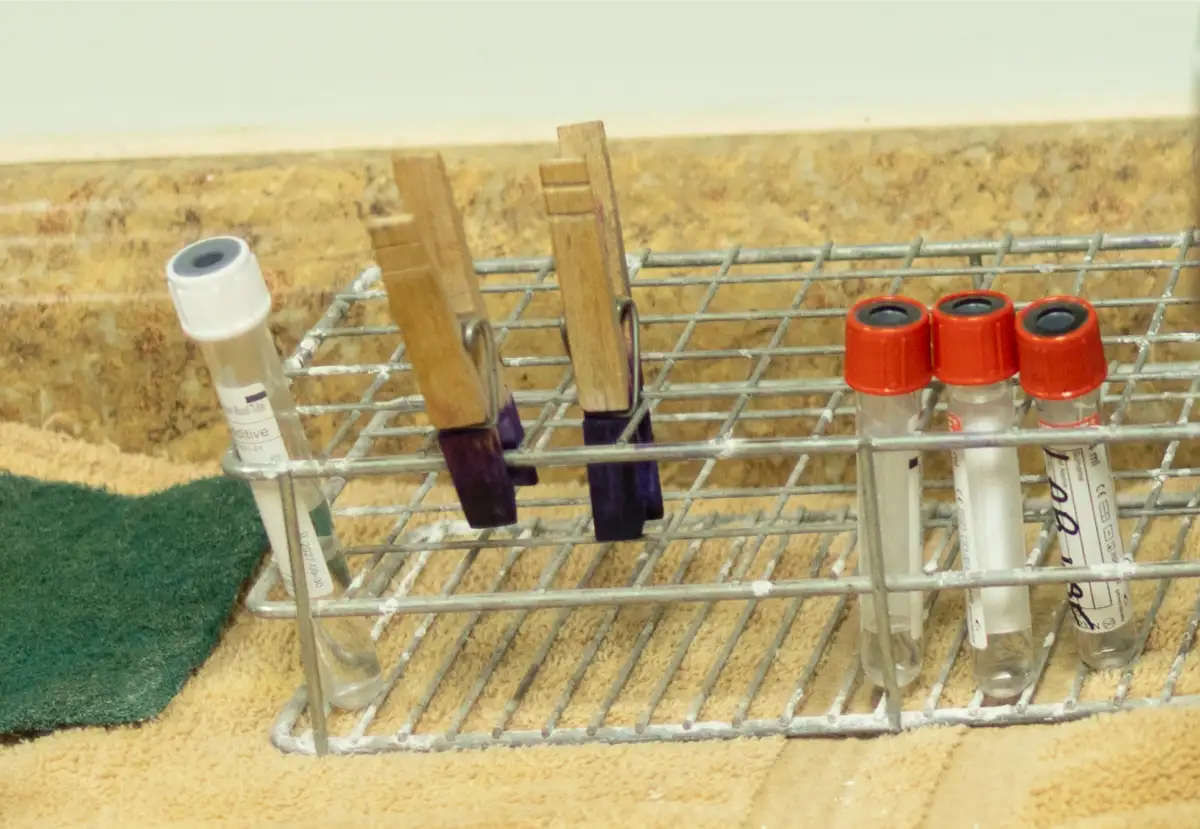
- Bloodwork: Laboratory testing to evaluate blood cell counts, organ function, and other indicators of health.
- Urinalysis: Testing that helps investigate urinary concerns, kidney function, and certain metabolic conditions.
- Fecal Testing: Screening for intestinal parasites and other gastrointestinal concerns.
- Additional Laboratory Testing: Diagnostic evaluations selected according to your pet’s symptoms and medical history.
Rather than recommending every available test, we focus on the diagnostics that make sense for your pet’s particular situation.
Veterinary X-Rays Help Us See Beyond the Surface
X-rays are among the most useful tools in veterinary medicine because they allow us to examine structures that would otherwise be hidden from view. Whether your dog is limping after playing outside or your cat may have swallowed something unusual, radiology can help us investigate the problem.
Veterinary radiographs can provide important information about:
- Broken bones, fractures, and certain joint abnormalities.
- Arthritis and other changes affecting mobility.
- Chest conditions involving the lungs or heart.
- Suspected swallowed objects and intestinal obstructions.
- Certain bladder stones and abdominal abnormalities.
- Changes in the size or position of internal organs.
For example, if your dog develops a persistent cough, chest X-rays may help us evaluate the lungs and surrounding structures. Similarly, if your cat is experiencing abdominal discomfort, radiographs may reveal findings that indicate a need for additional testing.
X-rays don’t provide every answer on their own, but they can help us narrow down possible causes and determine what should happen next.
Ultrasound Imaging for a More Detailed Internal View
While X-rays are particularly useful for evaluating bones and overall internal structures, ultrasound provides a different type of information. It uses sound waves to create real-time images of internal organs and soft tissues without making surgical incisions.
Ultrasound can be especially helpful when we’re investigating concerns involving the liver, kidneys, bladder, spleen, or gastrointestinal tract. Depending on the situation, it may help identify fluid accumulation, unusual organ changes, or other abnormalities that deserve further evaluation.
We may recommend ultrasound when your pet has persistent digestive symptoms, abnormal laboratory results, or an unexplained abdominal concern. In some situations, combining ultrasound with X-rays and laboratory testing provides a more complete understanding of the problem.
We’ll explain whether ultrasound is appropriate for your pet and discuss the next steps based on the findings.
In-House Laboratory Testing for More Timely Answers
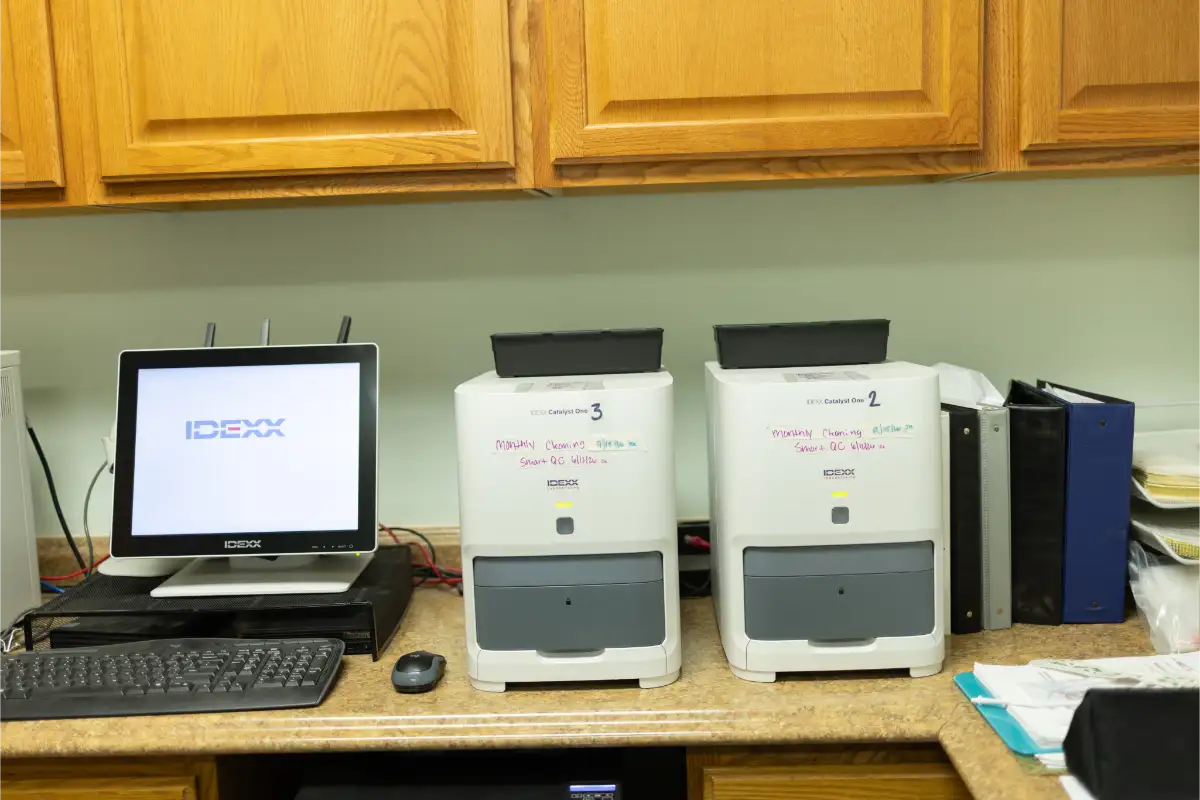
Waiting for test results can be stressful, especially when your pet isn’t feeling well. That’s why access to in-house laboratory testing can be valuable when we’re trying to understand a health concern and determine an appropriate treatment plan.
Our laboratory capabilities allow us to perform certain diagnostic tests without sending every sample to an outside facility. This can help reduce delays when timely information is important.
Blood Tests and Organ Function Screening
Bloodwork provides insight into what’s happening inside your pet’s body, even when they appear relatively healthy. Depending on the tests ordered, we can evaluate red and white blood cells, platelets, kidney function, liver indicators, blood sugar, and other important measurements.
Blood tests are useful for investigating illnesses, preparing for certain surgical procedures, and monitoring pets with ongoing medical conditions. They can also help establish baseline information for future comparisons.
Urine and Fecal Testing
Changes in urination, drinking habits, or bowel movements can sometimes indicate underlying health problems. Urinalysis helps us investigate certain urinary tract conditions, while fecal testing can identify intestinal parasites and other concerns.
For pets experiencing digestive problems, urinary symptoms, or unexplained changes in behavior, these tests may provide useful information alongside a physical examination.
When Might Your Dog or Cat Need Diagnostic Testing?
You don’t need to know which test your pet requires before scheduling an appointment. Our veterinarians will examine your companion, discuss the symptoms you’ve noticed, and recommend appropriate diagnostics based on their findings.
Common reasons for additional testing include persistent vomiting or diarrhea, unexplained weight loss, changes in appetite, unusual fatigue, coughing, difficulty walking, and increased thirst or urination.
Diagnostic testing can also be valuable when pets aren’t showing obvious signs of illness. For example, routine bloodwork may help us identify changes in senior pets or monitor an existing medical condition before more noticeable symptoms develop.
Here in Pinal County, we also consider regional concerns such as Valley Fever when pets develop unexplained coughing, weight loss, or lameness. Blood testing and chest radiographs may be recommended as part of the evaluation when symptoms and exposure history suggest this possibility.
What to Expect During Your Pet’s Diagnostic Appointment
We know that medical testing can make both pets and their owners a little nervous. At Coolidge Veterinary Hospital, we do our best to explain the process and make the experience as comfortable as possible.
We’ll begin by discussing your pet’s symptoms, medical history, and any changes you’ve noticed at home. After an examination, we’ll explain which diagnostic tests we recommend and what information we’re hoping to obtain.
Some procedures require your pet to remain still briefly, while others involve collecting a small blood, urine, or fecal sample. Depending on the imaging procedure and your pet’s comfort level, sedation may occasionally be recommended.
Once results are available, we’ll review the findings with you and discuss appropriate treatment or additional testing. Our goal is to help you understand your options without leaving you confused about what comes next.
Personalized Veterinary Care From a Team You Can Trust
At Coolidge Veterinary Hospital, we’ve cared for local pets and their families since 1988. As an independently owned veterinary hospital, we believe that compassionate treatment, honest communication, and individualized attention are essential parts of quality veterinary medicine.
We understand that every pet is different, and diagnostic recommendations should reflect their age, symptoms, lifestyle, and medical history. Whether we’re investigating a sudden illness or monitoring a chronic condition, we’ll take the time to answer your questions.
Our hospital is located at 435 W. Coolidge Avenue, and we’re proud to serve dogs and cats throughout Coolidge and nearby Pinal County communities, including Florence, Casa Grande, and Eloy.
Frequently Asked Questions
X-rays are generally painless, although positioning an injured or uncomfortable pet may require extra care. Depending on your pet’s condition and ability to remain still, sedation may occasionally be recommended.
X-rays help evaluate bones, chest structures, and overall internal anatomy. Ultrasound uses sound waves to provide moving images of soft tissues and organs, making the two tests useful for different diagnostic purposes.
Certain in-house tests can provide results during the same visit, while specialized testing may require additional processing time. We’ll explain the expected timeline based on the tests your pet needs.
Routine bloodwork can help establish baseline values and detect certain health changes before obvious symptoms appear. We may recommend testing based on your pet’s age, medical history, and individual risk factors.
Costs depend on the imaging procedures, laboratory tests, and examinations required. You can review our transparent pricing, and we’ll discuss our recommendations and associated fees so you can make informed decisions about your pet’s care.
Get the Answers You Need to Help Your Pet Feel Better
When something seems wrong with your dog or cat, having access to dependable veterinary diagnostics can make a meaningful difference in understanding their condition. At Coolidge Veterinary Hospital, we’re proud to help families throughout Coolidge and surrounding Pinal County communities find answers through careful examinations, diagnostic imaging, and laboratory testing. Whether your pet is experiencing unexplained symptoms, recovering from an injury, or needs routine health monitoring, our team is here to provide thoughtful care and clear explanations. You shouldn’t have to navigate your pet’s health concerns alone, and we’re ready to help you determine the next steps. Call Coolidge Veterinary Hospital at (520) 723-5500 or schedule an appointment online today to discuss your pet’s radiology and laboratory testing needs.