
Spay and Neuter Services in Coolidge, AZ
Bringing a new puppy or kitten into your home comes with plenty of exciting moments, from picking out their favorite toys to watching their little personalities develop. Along with all that fun, though, there are some important healthcare decisions to make as your pet grows. One of those decisions is whether and when to have them spayed or neutered. At Coolidge Veterinary Hospital, we provide professional spay and neuter services in Coolidge, AZ, helping local families make informed choices about their pets’ reproductive health. Whether you’re looking for pet spay in Coolidge or pet neuter in Coolidge, our experienced veterinary team is here to provide compassionate surgical care, clear explanations, and personalized recommendations.
Why Spaying and Neutering Matter for Your Pet’s Health
Most pet owners know that spaying and neutering help prevent unwanted litters, but these procedures can offer additional health and behavioral benefits. Depending on your pet’s age, breed, medical history, and lifestyle, reproductive surgery may help reduce certain health risks and unwanted behaviors.
Spaying generally involves removing a female animal’s ovaries, often along with the uterus, while neutering typically involves removing a male animal’s testicles. Both procedures prevent reproduction and can influence hormone-related health conditions.
Some potential benefits include:
- Preventing Unplanned Litters: Helping reduce unwanted pregnancies and the number of animals needing homes.
- Reducing Certain Cancer Risks: Spaying eliminates the risk of ovarian cancer and can reduce mammary tumor risk, particularly when performed before certain reproductive milestones.
- Preventing Uterine Infections: Spaying eliminates the possibility of pyometra when the uterus is removed.
- Eliminating Testicular Cancer Risk: Neutering removes the testicles and prevents testicular tumors.
- Reducing Certain Hormone-Related Behaviors: Some pets experience less roaming, urine marking, or mating-related behavior after surgery.
It’s important to remember that every animal is different, and these procedures don’t eliminate every health concern or guarantee behavioral changes. We’ll explain the potential benefits and considerations based on your pet’s individual needs.
Spay and Neuter Surgery for Dogs
Dogs come in all shapes, sizes, and personalities, and their surgical needs can differ just as much. A small-breed puppy may benefit from a different approach to surgical timing than a large-breed dog that takes longer to reach physical maturity.
At Coolidge Veterinary Hospital, we evaluate each dog’s health, age, breed, and development before recommending an appropriate time for spaying or neutering.
Spaying Your Female Dog
Spaying prevents pregnancy and eliminates heat cycles. Depending on the timing of surgery, it may also reduce the likelihood of certain reproductive health conditions later in life.
We’ll discuss the potential benefits and risks of surgery, including how your dog’s breed and stage of development may influence the recommended timing.
Neutering Your Male Dog
Neutering prevents reproduction and eliminates the risk of testicular cancer. It may also reduce certain hormone-driven behaviors, such as roaming in search of a mate.
However, neutering isn’t a guaranteed solution for aggression, anxiety, or other behavioral concerns. Our veterinarians will help you understand what surgery may and may not change.
Spaying and Neutering for Cats and Kittens
Cats can become reproductively mature surprisingly early, sometimes before their owners realize they’re old enough to have kittens. That’s why discussing reproductive healthcare during your kitten’s early veterinary visits is especially important.
Our feline spay and neuter services help prevent unwanted litters while addressing certain reproductive health risks.
Female cats that aren’t spayed can experience repeated heat cycles and become pregnant. Spaying prevents pregnancy and eliminates heat cycles, while also reducing the risk of certain reproductive conditions.
Male cats that remain intact may be more likely to roam, spray urine, or engage in mating-related conflicts. Neutering can reduce some of these behaviors, although individual results vary.
Whether your cat lives indoors or spends time outside, we’ll help you determine an appropriate surgical plan. If you’re bringing home a kitten, our free first kitten exam is a good place to start that conversation.
What to Expect Before, During, and After Surgery
We understand that even routine veterinary surgery can feel stressful when your own pet is the patient. That’s why we focus on helping you understand the procedure, preparation requirements, and recovery process before surgery day arrives.
Pre-Surgical Examination and Testing
Before scheduling surgery, we evaluate your pet’s overall health and review their medical history. Depending on their age, health status, and individual risk factors, we may recommend pre-anesthetic bloodwork.
These tests can provide valuable information about organ function and other health indicators that may affect anesthesia planning.
We’ll also provide instructions about food, water, medications, and arrival times so you know how to prepare your companion.
Anesthesia, Surgery, and Pain Management
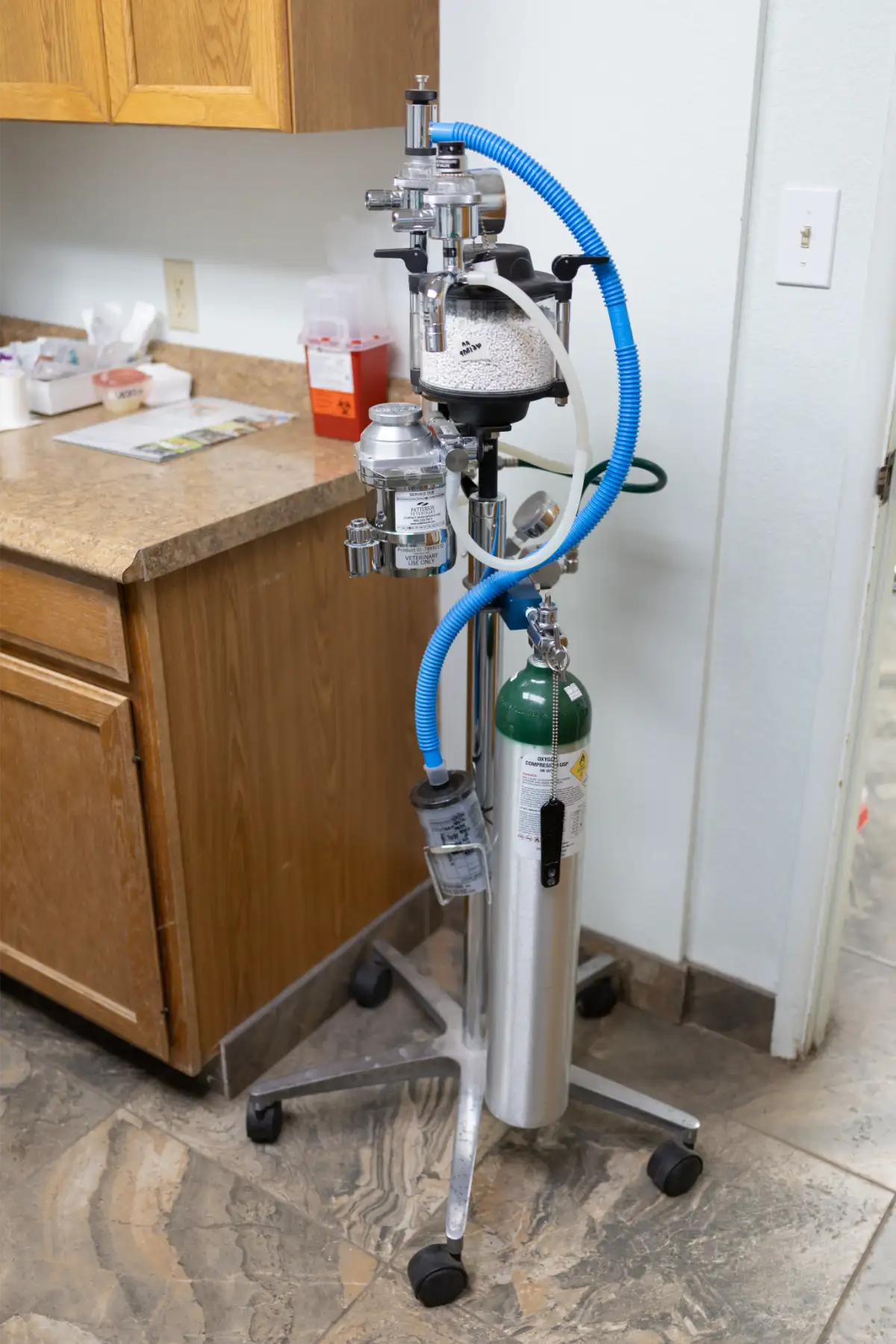
Spay and neuter procedures are performed under general anesthesia to keep your pet unconscious and prevent pain during surgery. Our veterinary team uses appropriate anesthetic protocols and monitoring based on each patient’s needs.
We also prioritize pain management throughout the surgical process and recovery period. Our goal is to help your pet remain as comfortable as possible while supporting safe healing.
Recovery and Postoperative Care
Following surgery, we’ll monitor your pet as they recover from anesthesia and provide detailed instructions for home care. Most pets can return home the same day, although individual circumstances may require additional observation.
Recovery recommendations commonly include:
- Limiting running, jumping, and strenuous activity during healing.
- Preventing licking or chewing at the surgical incision.
- Keeping the incision clean and monitoring for swelling or discharge.
- Administering prescribed pain medications as directed.
- Following recommended activity restrictions and follow-up instructions.
Many pets need approximately 10 to 14 days of restricted activity while their incision heals. We’ll explain your pet’s specific recovery requirements before they go home.
When Should You Spay or Neuter Your Pet?
There’s no single ideal age that applies to every dog or cat. While some pets may be ready for surgery relatively early, others benefit from waiting based on breed, size, growth, or medical considerations.
For cats, sterilization is often recommended around five months of age, although individual circumstances may affect timing. For dogs, recommendations vary considerably, especially among larger breeds where the relationship between reproductive hormones and skeletal development deserves additional consideration.
At Coolidge Veterinary Hospital, we take these factors seriously rather than recommending the exact same schedule for every patient. We’ll help you weigh the potential benefits and risks so you can make a decision that supports your companion’s long-term health.
Compassionate Surgical Care From a Trusted Local Veterinary Team
When your pet needs surgery, choosing a veterinary hospital you trust makes a meaningful difference. At Coolidge Veterinary Hospital, we’ve proudly cared for dogs and cats throughout our community since 1988.
Founded by Dr. Audie Wood, our independently owned hospital has grown from a small veterinary practice into a full-service, multi-doctor facility. Throughout that growth, we’ve maintained our commitment to personalized care, open communication, and treating pets like members of the family.
We also offer affordable wellness plans for puppies and kittens, with certain plans including spay or neuter surgery packages, pre-surgical bloodwork, intravenous fluids, and postoperative pain medications.
Located at 435 W. Coolidge Avenue, we proudly welcome pet owners from Coolidge, Florence, Casa Grande, Eloy, and surrounding Pinal County communities.
Frequently Asked Questions
The recommended age depends on your pet’s species, breed, size, and health. Cats are often sterilized around five months, while dogs may benefit from individualized timing based on their development.
These are common veterinary procedures, but all surgery and anesthesia involve some risk. We evaluate your pet beforehand, use appropriate monitoring, and provide postoperative care instructions to support a safe recovery.
Many pets need approximately 10 to 14 days for incision healing, with restricted physical activity during that time. We’ll provide specific instructions based on your pet’s procedure and recovery needs.
Most pets retain their basic personalities after surgery, although certain hormone-related behaviors may decrease. Changes in roaming, marking, or mating-related behaviors vary between individual animals.
Pricing depends on your pet’s species, size, age, health, and surgical requirements. You can review our transparent pricing or contact us for current information about our puppy and kitten wellness plans that may include surgery.
Give Your Pet a Healthy Start With Compassionate Veterinary Care
Deciding whether and when to spay or neuter your pet is an important part of planning for their future, and you deserve to feel comfortable with that decision. At Coolidge Veterinary Hospital, we’re committed to helping families throughout Coolidge and surrounding Pinal County communities understand their options and prepare for surgery with confidence. Whether you’ve recently welcomed a new puppy or kitten, adopted an adult pet, or have questions about reproductive healthcare, our veterinary team is ready to help. With decades of local experience, personalized surgical recommendations, and compassionate care throughout recovery, we’re here for you and your companion. Call Coolidge Veterinary Hospital at (520) 723-5500 or schedule your pet’s spay or neuter consultation online today.