
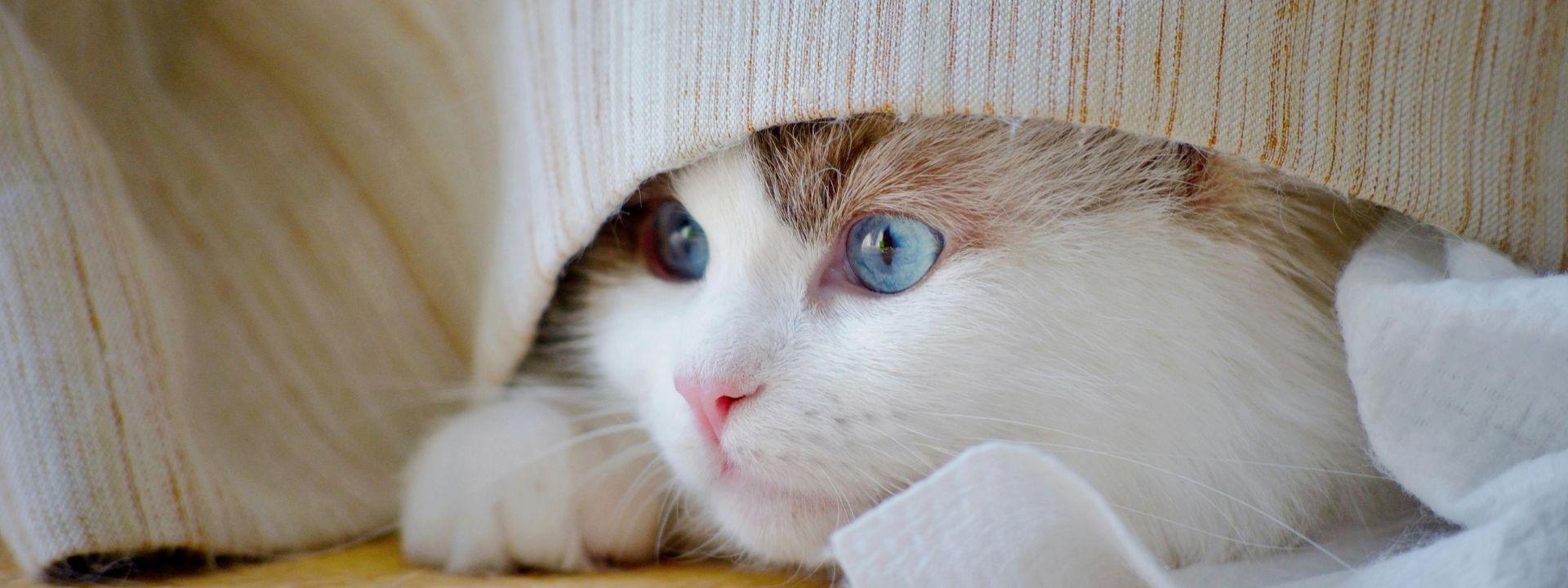
When we think about our pets' health, we often focus on things like nutrition, exercise, vaccines, and preventive care. However, a pet's emotional well-being is just as important as their physical health. Anxiety is a common issue among dogs and cats, and if left untreated, it can affect everything from behavior and appetite to overall quality of life.
Because pets cannot tell us when they are feeling stressed, it is up to pet owners to recognize the warning signs. Understanding how anxiety appears in pets can help you take action early and ensure your companion receives the support they need.
At Coolidge Veterinary Hospital, we work with pet owners to identify behavioral concerns and develop strategies that help pets live healthier, happier lives. Knowing the signs of anxiety is the first step.
What Is Pet Anxiety?
Anxiety is an emotional response that occurs when a pet feels fearful, uncertain, or threatened. While temporary stress is normal in certain situations, anxiety becomes a concern when those feelings are frequent, prolonged, or severe enough to interfere with daily life.
Pets can experience anxiety for many different reasons. Some animals are naturally more sensitive, while others develop anxiety after specific experiences or changes in their environment.
Common causes include:
- Separation from family members
- Loud or sudden noises
- Changes in routine
- Moving to a new home
- Travel or boarding
- New pets or people in the household
- Past negative experiences
- Chronic medical conditions
- Cognitive decline in senior pets
Anxiety can affect pets of any age, breed, or personality type.
How Anxiety Affects Your Pet's Health
Many people think of anxiety as a behavioral issue, but stress affects the entire body.
When pets experience ongoing anxiety, they may develop:
- Digestive problems
- Changes in appetite
- Weight fluctuations
- Sleep disturbances
- Reduced immune function
- Excessive grooming
- Increased sensitivity to stressors
- Behavioral challenges
Over time, chronic stress can significantly impact a pet's overall well-being.
Signs of Anxiety in Dogs
Dogs often display anxiety through changes in behavior and body language.
Excessive Barking or Whining
An anxious dog may vocalize more frequently than normal. Barking, whining, crying, or howling can occur when they are stressed, fearful, or uncomfortable.
Pacing and Restlessness
Many anxious dogs have trouble settling down. They may pace throughout the house, repeatedly move between rooms, or seem constantly alert.
Destructive Behavior
Chewing furniture, scratching doors, digging, and damaging household items can sometimes indicate anxiety rather than boredom.
Trembling or Shaking
Fearful dogs often shake during stressful situations such as thunderstorms, fireworks, or unfamiliar experiences.
Excessive Panting
Panting that occurs without physical exertion or high temperatures can be a sign of emotional distress.
Appetite Changes
Some anxious dogs lose interest in food, while others may eat more than usual as a way to cope with stress.
Following Family Members Constantly
Dogs experiencing anxiety often seek reassurance from their owners and may become unusually attached.
Signs of Anxiety in Cats
Cats often express anxiety in quieter ways, making the condition more difficult to identify.
Hiding
A cat that suddenly spends much of its time under furniture or in secluded areas may be experiencing stress.
Overgrooming
Excessive licking is one of the most common signs of anxiety in cats.
This may result in:
- Hair loss
- Bald spots
- Skin irritation
- Thin fur
Litter Box Issues
Stress can sometimes contribute to urinating or defecating outside the litter box.
Because medical conditions can cause similar symptoms, it is important to have your cat evaluated by a veterinarian.
Increased Vocalization
An anxious cat may meow more often or become vocal at unusual times of day.
Withdrawal
Cats dealing with stress may spend less time interacting with family members and lose interest in activities they once enjoyed.
Aggression
Fear can cause some cats to become defensive, leading to hissing, swatting, growling, or biting.
Understanding Separation Anxiety
Separation anxiety occurs when a pet becomes distressed when separated from their owner.
This condition is especially common in dogs but can affect cats as well.
Signs may include:
- Excessive vocalization
- Destructive behavior
- House-training accidents
- Escape attempts
- Refusal to eat when alone
- Pacing near doors or windows
Changes in work schedules, moving, vacations, or spending more time away from home can sometimes trigger separation anxiety.
Common Anxiety Triggers for Arizona Pets
Pets living in Arizona may encounter several situations that contribute to anxiety.
Fireworks
Holiday fireworks are one of the most common causes of fear and anxiety in dogs and cats.
Monsoon Season
Thunderstorms, lightning, wind, and changes in atmospheric pressure can trigger stress in sensitive pets.
Changes in Routine
Family gatherings, school schedules, vacations, and household changes can disrupt a pet's sense of security.
Veterinary Visits
Many pets become anxious when visiting the veterinarian due to unfamiliar sights, sounds, and smells.
Medical Conditions That Can Mimic Anxiety
Not all behavioral changes are caused by emotional stress.
Several health conditions can produce symptoms similar to anxiety, including:
- Arthritis
- Dental pain
- Thyroid disorders
- Neurological disease
- Urinary tract infections
- Gastrointestinal conditions
- Cognitive dysfunction syndrome
A veterinary examination can help determine whether anxiety, a medical condition, or both are contributing to your pet's symptoms.
Helping Your Pet Feel More Secure
Many pets benefit from simple changes that reduce stress and encourage confidence.
Maintain Consistent Routines
Predictable schedules help pets feel safe and secure.
Encourage Daily Exercise
Regular physical activity can reduce stress hormones and improve emotional health.
Provide Mental Enrichment
Puzzle feeders, training activities, interactive toys, and games help keep pets mentally engaged.
Create a Safe Space
A quiet retreat can help pets feel protected during stressful situations such as storms or fireworks.
Reward Calm Behavior
Positive reinforcement helps pets build confidence and learn healthier responses to stress.
Treatment Options for Anxiety
Some pets require additional support to manage anxiety effectively.
Your veterinarian may recommend:
- Behavioral training
- Environmental modifications
- Calming supplements
- Pheromone products
- Prescription medications
- Veterinary behavioral consultations
Every pet is different, and treatment plans should be tailored to their specific needs.
When to Seek Veterinary Care
You should contact your veterinarian if your pet:
- Appears fearful frequently
- Develops destructive habits
- Shows changes in appetite
- Experiences litter box or house-training problems
- Becomes aggressive
- Has sudden behavioral changes
- Struggles with routine daily activities
Early intervention often leads to more successful treatment and improved quality of life.
Helping Your Pet Live with Confidence
Anxiety is a common condition, but it does not have to define your pet's life. With early recognition, proper support, and veterinary guidance, many pets can successfully overcome anxiety and enjoy a calmer, more comfortable future.
At Coolidge Veterinary Hospital, we are dedicated to helping pets thrive both physically and emotionally. If you have concerns about anxiety, behavioral changes, or stress-related symptoms in your dog or cat, our team is here to help. Together, we can identify the cause, create a personalized care plan, and support your pet's long-term health and happiness.