
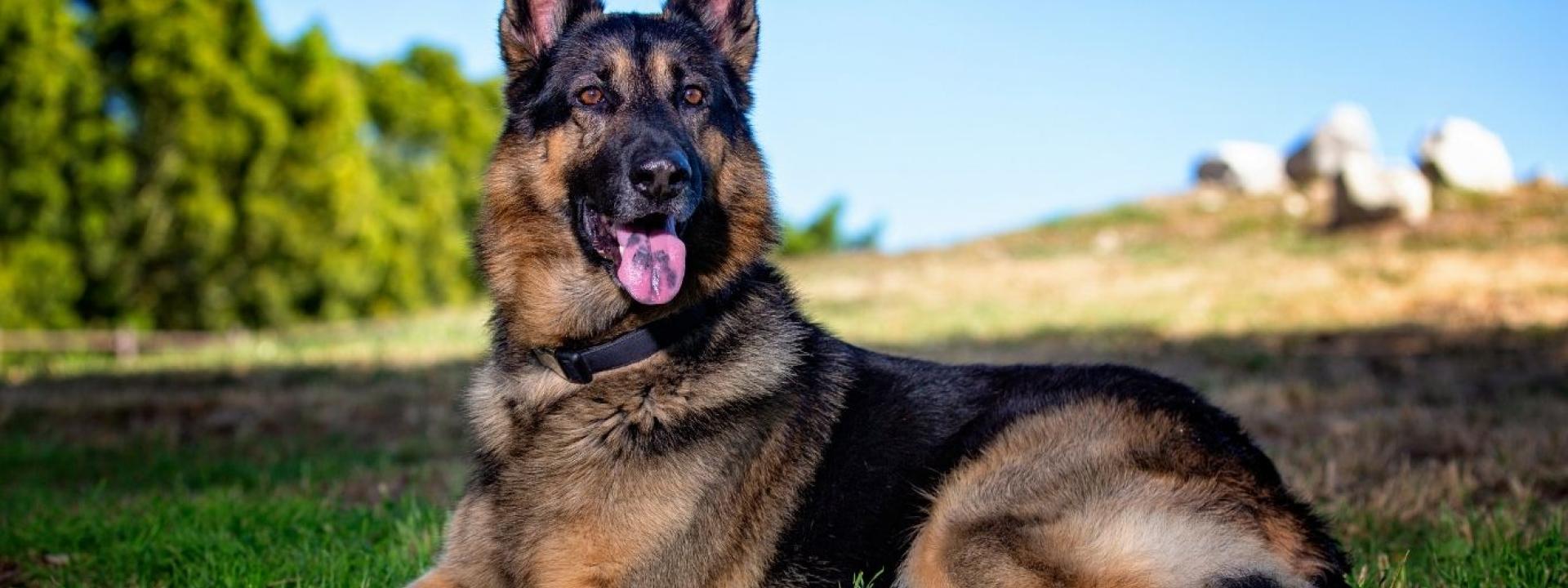
Fall in Coolidge rarely arrives with a dramatic temperature drop. Instead, the change happens in pieces. Mornings become easier, evening walks stretch longer, and pets that spent much of summer indoors begin showing renewed interest in the backyard. For dogs and cats, that shift can be healthy, but it can also change what they are exposed to and how much their bodies are asked to do.
Coolidge Veterinary Hospital recommends using the start of fall as a practical health checkpoint. You do not need to reinvent your pet’s routine. You do need to notice what is changing around them and make sure preventive care keeps pace.
Fall Care Begins With the Daily Routine
During the hottest Arizona months, many dogs naturally exercise less. Owners shorten walks, outdoor play is limited, and even energetic pets may spend more hours sleeping in the air conditioning. Once the weather improves, it is tempting to return immediately to a full activity schedule.
Give your pet time to adjust. Add distance to walks gradually and pay attention to recovery afterward. A dog that seems energetic during the outing may be stiff or unusually tired later. Senior pets, overweight dogs, and animals with joint problems should return to heavier activity especially slowly.
Coolidge afternoons can also remain hot well into fall. Keep checking pavement temperatures and carry water for longer walks.
Heat exhaustion is not limited to July, particularly for:
- Flat-faced breeds
- Thick-coated dogs
- Puppies
- Seniors
- Pets with underlying medical conditions
At home, take a few minutes to inspect:
- Nails
- Paw pads
- Ears
- Skin
- Coat
Increased outdoor activity can make minor problems more noticeable. A cracked nail, irritated paw, or small skin lesion is easier to address before it becomes painful.
Parasites Do Not Disappear With Summer
A change in season does not automatically mean the end of flea and tick concerns. Arizona’s relatively mild fall weather can allow parasites to remain active, and pets may encounter them more often simply because they are outside more.
Fleas can cause much more than occasional scratching. Sensitive pets may develop significant skin inflammation after flea bites, and an infestation can spread into carpets, bedding, furniture, and other areas of the home.
Ticks can hide beneath fur and in less visible places such as:
- Around the ears
- Under collars
- Between toes
- Near the legs
Check pets after outdoor adventures, especially when they have spent time in areas with vegetation or wildlife activity.
Internal parasites matter too. Dogs that investigate soil, animal droppings, standing water, or shared outdoor spaces may be exposed to organisms that are impossible to see with the naked eye. Routine fecal screening can identify certain infections even when a pet appears normal.
Do not stop veterinarian-recommended parasite prevention simply because temperatures have become more comfortable. Your pet’s individual exposure matters more than the season printed on the calendar.
Fall Allergies Can Show Up in Unexpected Ways
Seasonal allergies in pets do not always produce sneezing. For many dogs, the first clue is a paw that never seems to leave the mouth.
Environmental triggers such as weeds, pollen, dust, and molds can irritate susceptible pets. Dogs may:
- Lick their feet
- Scratch their sides
- Rub their faces
- Develop redness on the belly
Ear infections may also occur repeatedly when underlying allergies contribute to inflammation.
Cats may:
- Groom one area excessively
- Scratch around the head or neck
- Develop small scabs
- Develop thinning fur
If symptoms seem to appear around the same time each year, make note of the pattern. It can help your veterinarian determine whether a seasonal trigger may be involved.
However, not every itchy pet has allergies. Fleas, mites, bacterial infections, yeast, and other skin conditions can look remarkably similar at home. Veterinary evaluation can prevent weeks of treating the wrong problem.
Cooler Weather Can Change Weight in Either Direction
Fall can be a great time to improve a pet’s fitness. Comfortable mornings make regular walks easier, and dogs often become naturally more active.
The key word is regular. A predictable routine of moderate exercise usually provides more benefit than one huge weekend outing followed by several quiet days.
Watch food portions at the same time. Increased activity does not automatically mean your pet needs a larger meal. Many household pets already receive enough calories, and adding food because they walked farther can cancel out the benefits of exercise.
Treats should be counted as food, not freebies. If training increases during fall outings, use tiny treats or reserve part of the regular meal as rewards.
Cats need movement too. Encourage indoor activity through:
- Climbing
- Chasing toys
- Food puzzles
- Short play sessions
Even ten minutes of focused play several times a day can help break up a sedentary routine.
If you cannot easily feel your pet’s ribs or see some waist definition, ask your veterinarian about body condition and an appropriate weight goal.
A Wellness Exam Can Catch the Quiet Problems
Pets are good at adapting to gradual discomfort. A dog with early arthritis may simply stop jumping onto the couch. A cat with dental pain may chew on one side. A pet gaining weight may look “fluffier” long before the change seems concerning.
Wellness examinations are designed to find those quieter clues.
Your veterinarian can evaluate:
- Weight trends
- Teeth
- Ears
- Skin
- Heart
- Lungs
- Joints
- Abdomen
- Other areas
While comparing findings with previous visits. Age-appropriate bloodwork or other screening may also be recommended.
Fall is a useful time for that review because holiday schedules are approaching. If your pet will:
- Board
- Travel
- Spend time around other animals
There may be vaccine or preventive-care requirements to address.
It is also a chance to discuss anything that seems different. Increased thirst, slower movement, new lumps, changes in appetite, unusual bathroom habits, or recurring itching are all worth mentioning, even if they seem minor.
Make the Most of Fall in Coolidge
The return of comfortable weather should mean more opportunities for your pet, not a reason to relax preventive care. Increase exercise gradually, continue parasite protection, monitor skin and ears, and keep an eye on calories as routines change.
Coolidge Veterinary Hospital is here to help local pets stay healthy through seasonal transitions. If your dog or cat is due for a wellness visit or something has changed since summer, fall is a great time to check in.