Dental disease is one of the most common health conditions in dogs and cats, and it often develops quietly. Plaque forms daily, hardens into tartar, and gradually irritates the gums. Many pets continue eating and behaving normally even while infection progresses beneath the surface.
At Coolidge Veterinary Hospital, we emphasize preventive dental care because healthy teeth and gums are essential to your pet’s comfort and overall well-being.
Why Professional Dental Cleanings Are So Important
Brushing at home is helpful, but it cannot remove hardened tartar or address disease under the gumline. Once plaque mineralizes into tartar, it must be professionally removed.
Without treatment, dental disease can lead to:
- Red, swollen, or bleeding gums
- Periodontal infection
- Bone loss around the teeth
- Loose or painful teeth
- Tooth extractions
During a professional dental cleaning, our team removes tartar above and below the gumline and carefully evaluates each tooth. Dental X-rays may be recommended to check the roots and surrounding bone, where hidden issues often develop.
Professional dental procedures are designed to prevent pain, protect oral health, and reduce the risk of more serious complications.
Oral Health and Whole-Body Wellness
Dental infection does not remain confined to the mouth. Inflamed gums allow bacteria to enter the bloodstream, potentially affecting vital organs such as the heart, liver, and kidneys.
Chronic dental disease contributes to systemic inflammation and can impact your pet’s overall health. Preventive dental care helps reduce this bacterial burden and supports long-term wellness.
At Coolidge Veterinary Hospital, dental health is part of every comprehensive preventive care plan.
Signs Your Pet May Have Dental Disease
Because pets often hide discomfort, it is important to watch for early warning signs.
These may include:
- Persistent bad breath
- Yellow or brown tartar buildup
- Red or bleeding gums
- Loose or discolored teeth
- Dropping food while eating
- Difficulty chewing
- Pawing at the mouth
If you notice any of these symptoms, scheduling an exam early can prevent more advanced disease and complex treatment.
Supporting Dental Health at Home
At-home care plays a valuable role in maintaining oral health between professional cleanings.
Veterinary-approved dental chews and oral care products can help reduce plaque accumulation. These tools are helpful additions but should not replace brushing or routine dental procedures.
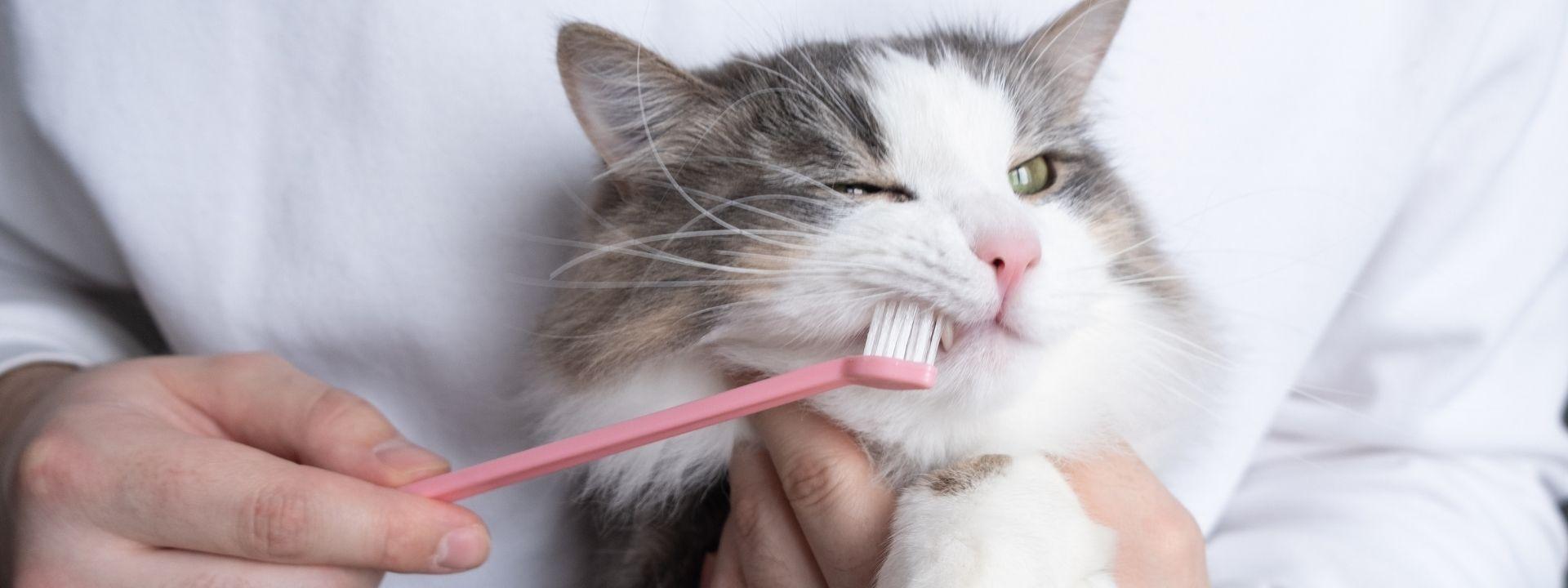
Brushing your pet’s teeth several times per week remains the most effective at-home strategy. Consistency is key to slowing plaque and tartar buildup.
Three Steps to Begin Brushing
If you are starting a brushing routine, approach it gradually.
Start Slowly
Gently lift your pet’s lips and handle their muzzle to help them become comfortable. Keep sessions short and positive.
Use Pet-Safe Products
Always use a toothbrush and toothpaste formulated specifically for pets. Human toothpaste is not safe for dogs or cats. Brush gently along the gumline using small circular motions.
Stay Consistent
Aim to brush multiple times per week. Establishing a routine helps your pet adjust and improves long-term results.
Why Preventive Timing Matters
Dental disease is progressive. What begins as mild plaque can develop into advanced periodontal disease if left untreated.
Routine dental cleanings allow us to:
- Identify problems early
- Reduce the likelihood of extractions
- Minimize anesthesia time
- Keep your pet comfortable
- Prevent more extensive procedures in the future
At Coolidge Veterinary Hospital, we are committed to helping pets in our community live healthy, comfortable lives. If it has been more than a year since your pet’s last dental evaluation or you are noticing signs of oral discomfort, our team is here to help.
A healthy smile is more than fresh breath. It is a foundation for lifelong health.