
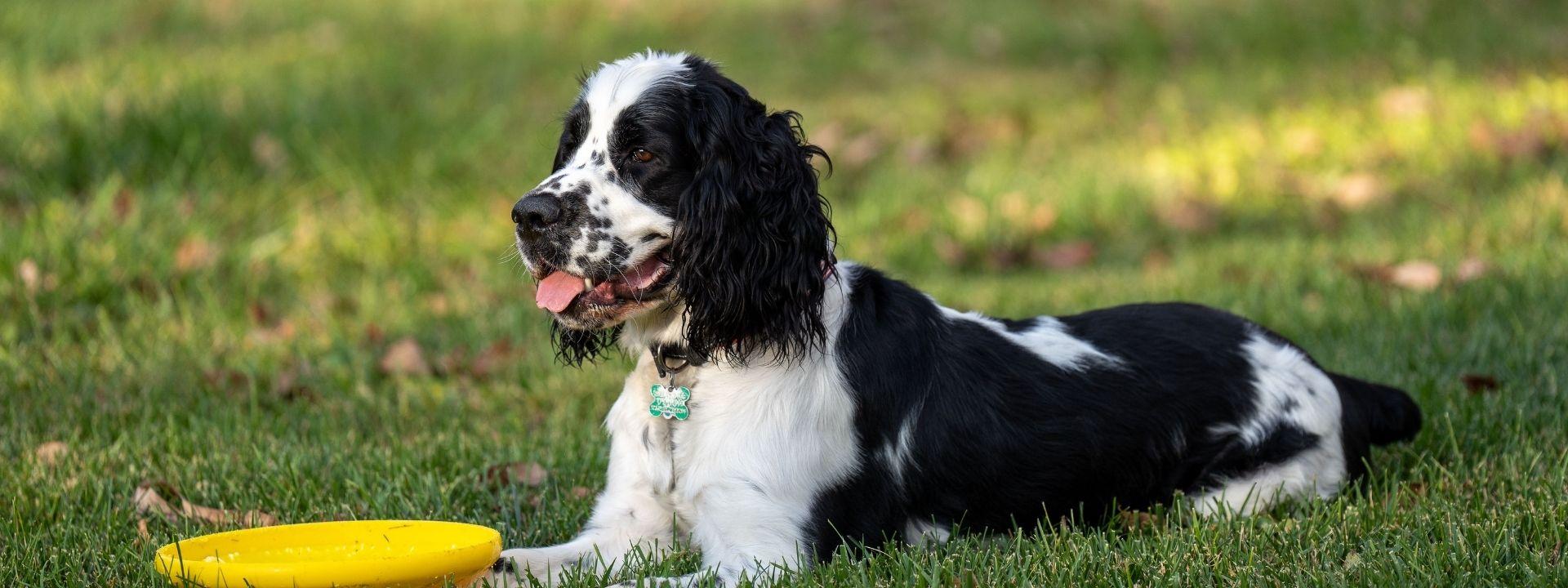
Summertime brings longer days, family adventures, and more opportunities to enjoy the outdoors with your pets. Whether your dog loves daily walks or your cat enjoys relaxing on a screened patio, warm weather can be enjoyable for everyone. However, Arizona's summer temperatures also create one of the biggest seasonal health risks for pets: heatstroke.
At Coolidge Veterinary Hospital, we want pet owners to understand that heatstroke is far more serious than simply getting too warm. It is a life-threatening medical emergency that can develop quickly, especially during periods of extreme heat. Fortunately, with a little preparation and by recognizing the early warning signs, most cases can be prevented.
Why Pets Struggle in Extreme Heat
Dogs and cats regulate body temperature very differently than people. While humans cool themselves by sweating across much of the body, pets have far fewer options.
Dogs rely almost entirely on panting to release excess body heat. Cats cool themselves primarily by grooming and through a small amount of sweating from their paw pads. During Arizona's hottest months, these natural cooling methods may not be enough to keep body temperature within a safe range.
When the body produces more heat than it can release, internal temperature begins rising rapidly. This condition, known as heatstroke, places enormous stress on the body's organs and requires immediate veterinary care.
What Happens During Heatstroke?
Heatstroke develops when a pet's body temperature climbs to dangerous levels and can no longer regulate itself effectively.
As body temperature increases, cells throughout the body begin to suffer damage. The heart, lungs, liver, kidneys, digestive tract, and brain are particularly vulnerable. Heatstroke can also affect blood clotting, leading to additional life-threatening complications.
Without prompt treatment, heatstroke may result in permanent organ damage or death.
The sooner veterinary care begins, the better the chances for a successful recovery.
Common Causes of Heatstroke
Heatstroke isn't limited to pets left inside hot vehicles. Many everyday activities can become dangerous during Arizona summers.
Common causes include:
- Walking during midday heat
- Running or hiking without enough water
- Playing in direct sunlight
- Spending long periods outdoors
- Riding in vehicles without sufficient air conditioning
- Sitting on patios with little shade
- Attending outdoor gatherings
Even a short period of intense activity can cause overheating if temperatures are high enough.
Early Symptoms Every Pet Owner Should Know
One of the most valuable ways to protect your pet is by recognizing the earliest signs that something isn't right.
Early symptoms of heatstroke often include:
- Excessive panting
- Heavy drooling
- Rapid breathing
- Bright red gums
- Weakness
- Slowing down during walks
- Lethargy
- Vomiting
- Diarrhea
- Reluctance to continue exercising
Some pets may begin searching for cool tile floors or shaded areas. Others simply stop playing and appear unusually tired.
These subtle changes should never be ignored during warm weather.
Emergency Signs of Severe Heatstroke
If overheating continues, symptoms can become much more serious.
Watch for:
- Collapse
- Difficulty standing
- Staggering
- Tremors
- Confusion
- Seizures
- Pale, gray, or bluish gums
- Bloody diarrhea
- Loss of consciousness
These symptoms indicate a medical emergency.
Immediate veterinary treatment can significantly improve your pet's chances of recovery.
Which Pets Need Extra Protection?
Every pet is capable of developing heatstroke, but some are much more vulnerable.
Flat-Faced Breeds
Dogs with shortened noses often have difficulty cooling themselves because airflow through their airways is restricted.
These include:
- Bulldogs
- French Bulldogs
- Pugs
- Boston Terriers
- Shih Tzus
Flat-faced cats, including Persians and Himalayans, also face increased risks.
Senior Pets
Older pets may have reduced cardiovascular function or chronic medical conditions that make high temperatures more difficult to tolerate.
Puppies and Kittens
Young animals haven't fully developed their temperature regulation systems and can become overheated very quickly.
Overweight Pets
Excess body fat traps heat and makes cooling less efficient.
Pets with Medical Conditions
Heart disease, respiratory illness, obesity, and endocrine disorders all increase the likelihood of heat-related illness.
Owners of these pets should plan outdoor activities carefully and avoid unnecessary heat exposure.
The Ground Can Be Hotter Than the Air
One often-overlooked danger during Arizona summers is pavement temperature.
Concrete sidewalks, asphalt parking lots, decorative rock, and artificial turf absorb heat throughout the day. These surfaces may become hot enough to burn paw pads while also increasing your pet's body temperature.
Before every walk, test the pavement using the back of your hand.
If you cannot comfortably keep your hand on the surface for several seconds, it's too hot for your pet.
Walking during cooler parts of the day and choosing grassy routes whenever possible can greatly reduce this risk.
Never Leave a Pet in a Parked Vehicle
Even with the windows partially open, the inside of a parked vehicle heats up quickly.
Within minutes, temperatures can reach dangerous levels capable of causing severe heatstroke.
There is no completely safe amount of time to leave a pet unattended inside a vehicle during warm weather.
If your pet cannot come inside with you, the safest decision is to leave them comfortably at home.
What To Do If You Think Your Pet Is Overheating
If your pet begins showing signs of heatstroke, quick action is essential.
- Move them into an air-conditioned room or shaded area immediately.
- Offer small amounts of cool water.
- Apply cool water to the belly, paws, legs, and neck. Avoid ice or ice water because sudden cooling may interfere with the body's natural temperature regulation.
- Use a fan if available to increase air circulation.
- Contact your veterinarian right away while continuing to cool your pet.
Even if your pet appears to recover, they should still be examined. Heatstroke can cause delayed internal damage that isn't immediately visible.
Everyday Prevention Makes a Difference
Fortunately, preventing heatstroke is often straightforward.
Simple precautions include:
- Walking during the early morning or evening.
- Carrying fresh water during every outing.
- Providing frequent rest breaks.
- Keeping pets indoors during peak afternoon temperatures.
- Offering constant access to shade.
- Avoiding strenuous exercise on very hot days.
- Monitoring your pet closely for signs of overheating.
- Adjusting activity levels based on age, breed, and medical history.
These small habits can significantly reduce your pet's risk throughout the summer.
Protect Your Pet All Summer Long
Heatstroke is one of the most preventable emergencies veterinarians treat, yet it remains a serious threat every summer. Knowing what to look for and acting quickly at the first sign of trouble can help protect your pet from potentially life-threatening complications.
If your dog or cat begins panting excessively, drooling heavily, slowing down during activity, or acting unusually tired, don't ignore those changes. Prompt action and timely veterinary care can make all the difference.
At Coolidge Veterinary Hospital, we're proud to partner with families to keep pets healthy through every season. Whether your companion needs preventive wellness care, advice on staying safe in Arizona's summer heat, or immediate medical attention for a heat-related emergency, our experienced veterinary team is here to help.
With awareness, preparation, and a proactive approach, you can help your pet stay cool, comfortable, and healthy while enjoying everything summer has to offer.