
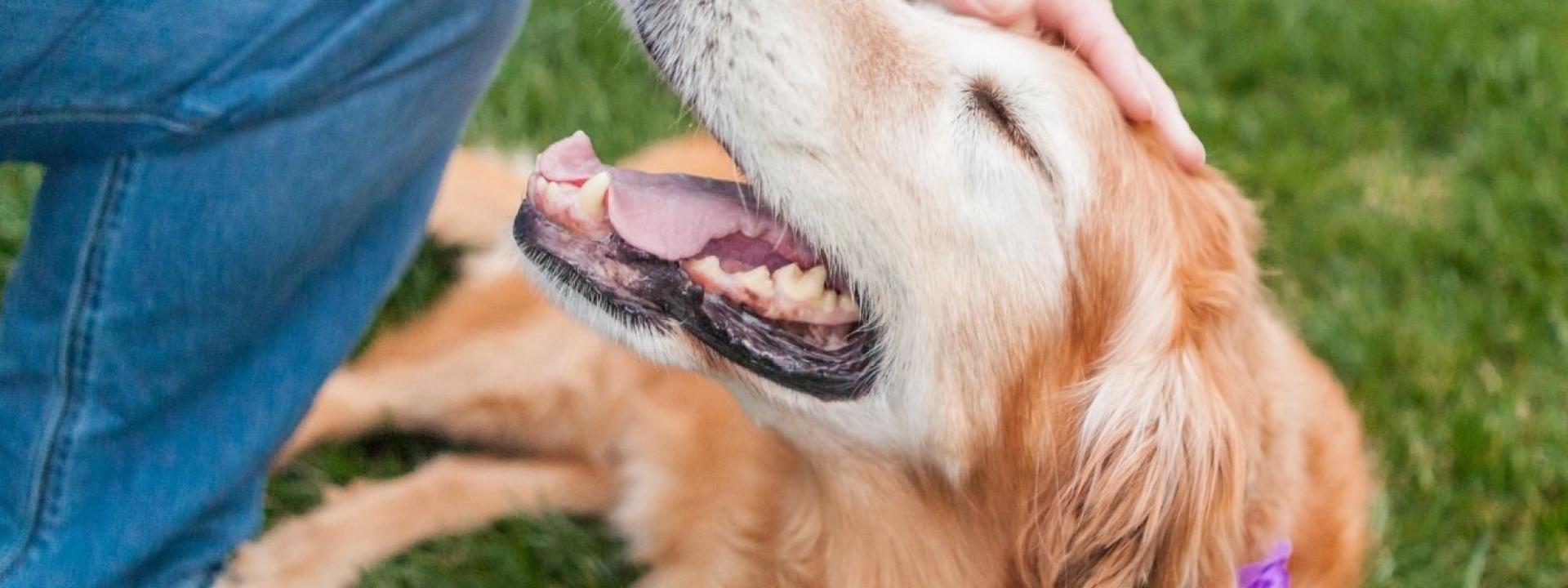
Pain in pets rarely arrives with a flashing warning sign. More often, it slips into the daily routine: one stair taken more carefully, one walk cut a little shorter, one grooming session skipped, one favorite hiding place used more often. Those details matter, particularly as dogs and cats move into their senior years. For Arizona pets, seasonal routines can blur the picture. A dog that moved less during extreme summer heat may seem unusually stiff when neighborhood walks get longer again in the fall, while an older indoor cat may quietly avoid higher surfaces year-round.
Questions about arthritis in dogs, arthritis in cats, and senior pet care often begin with the same observation: ‘My pet just seems different.’ That observation is useful. Small changes can be the first visible clue that something hurts.
Look for What Your Pet Has Stopped Doing
One of the best ways to identify pain is to think backward. What did your pet comfortably do six months ago that happens less often now? Perhaps your dog no longer launches into the car, races to the door, stretches after a nap, or finishes the usual walking route. Perhaps your cat no longer sleeps on the bed, climbs the cat tree, grooms the lower back, or meets you in the kitchen.
These changes are easy to rationalize in a senior pet. Yet reluctance to jump, slower rising, shortened walks, difficulty with stairs, hiding, decreased grooming, appetite changes, and new irritability are all potential signs of discomfort. Pain can also change posture. Dogs may hold the head lower, arch the back, sit unevenly, or repeatedly shift position. Cats may crouch, keep the body tense, or become unusually still.
A single unusual day may not mean much. A pattern, especially one that persists or gradually worsens, deserves attention.
Normal Aging Versus Pain: Focus on Function
Gray hair, longer naps, and a calmer personality can be normal parts of aging. Losing comfortable function is different. A senior dog may not sprint like a puppy, but should still be able to rise, walk, eliminate, eat, rest, and participate in favorite activities without obvious struggle. A senior cat may sleep more, but repeatedly avoiding the litter box because stepping inside hurts is not simply an age-related personality change.
The useful question is not, ‘Is my pet old?’ It is, ‘Can my pet still do normal daily activities comfortably?’ Watch the quality of movement. Does your dog need several attempts to stand? Is there stiffness that improves after a few minutes? Does your cat calculate every jump or pull up with the front legs instead of springing smoothly? Does your pet seem sore after exercise that used to be routine?
Age increases the likelihood of arthritis and other painful conditions. It does not make those conditions untreatable or unimportant.
Changes at Home That Should Prompt an Exam
Schedule a veterinary exam when a mobility or behavior change persists, recurs, or interferes with normal life. That includes limping, difficulty rising, repeated hesitation on stairs, reduced jumping, sudden house-soiling, unexplained hiding, new sensitivity to touch, reduced appetite, less grooming, unusual panting, or a clear decline in activity.
Video can be extremely helpful. Pets sometimes move differently in the clinic because adrenaline, excitement, or unfamiliar flooring temporarily changes what is visible. Record your dog getting up after a nap, walking from the side and behind, or using stairs. For cats, capture attempts to jump, enter the litter box, or move through the home. Note when the problem is worst and whether activity makes it better or worse.
Seek more urgent care for severe or sudden pain, inability to stand, collapse, significant trauma, repeated crying, a swollen abdomen, breathing difficulty, or other dramatic changes. Chronic pain can be subtle, but sudden severe symptoms should not wait for a routine senior visit.
Why Early Intervention Matters
Waiting until a pet can barely climb stairs means waiting until pain has already changed daily life. Earlier recognition gives owners and veterinarians a chance to address discomfort while the pet is still active and before avoidant habits become deeply established.
Pain can create a downward spiral. A sore pet moves less. Less movement can contribute to muscle loss and weight gain. Weaker muscles and additional body weight can make movement harder, which may further reduce activity. Breaking that cycle early can support mobility and quality of life.
For senior pets, regular exams are particularly valuable because owners and veterinary teams can compare changes over time. Small differences in weight, muscle condition, joint range of motion, posture, or behavior may be easier to recognize when there is an established baseline.
Building a More Comfortable Daily Routine
There is rarely one universal answer for chronic pain. A successful plan may combine veterinary treatment with changes in weight, exercise, flooring, bedding, and the layout of the home. Depending on the diagnosis, a veterinarian may discuss prescription medications, anti-inflammatory therapy, rehabilitation, joint-support approaches, or other options that fit the pet’s overall health.
Home setup can make an immediate difference. Slippery tile can turn a mildly sore dog into a pet that is afraid to stand. A tall litter box can become a daily obstacle for an arthritic cat. A favorite bed upstairs may be less useful if the stairs themselves hurt. Traction, ramps, supportive beds, lower entry points, and easy access to food and water can remove unnecessary challenges.
The best plan also changes over time. Chronic pain should be reassessed because what works at one stage may need adjustment as the pet ages or the condition progresses.
Ask Before Giving Any Human Pain Medication
Before giving a dog or cat a human pain medication unless a veterinarian has specifically instructed them to use that exact medication and dose for that individual pet. Common household drugs can be dangerous or even life-threatening to animals. Cats are especially vulnerable to certain medications, and dogs can develop serious gastrointestinal, kidney, liver, or other complications from inappropriate products or doses.
Do not assume a medication is safe because another pet received it in the past. Do not use leftover prescriptions without veterinary guidance, and do not combine pain medications or supplements without checking for interactions. If your pet seems painful, call your veterinary team and describe the symptoms. If a medication has already been given accidentally, contact a veterinarian or pet poison resource promptly rather than waiting for symptoms to appear.
Senior Pet Care at Coolidge Veterinary Hospital
The goal of senior pet care is not to make an older animal behave young again. It is to protect comfort, mobility, and the routines that still bring joy. Paying attention to subtle changes gives your veterinary team better information and gives your pet a better chance to stay engaged in daily life. If you have noticed new stiffness, reluctance to jump, changes in sleep or grooming, or another change in your pet’s routine, contact Coolidge Veterinary Hospital to schedule an evaluation and discuss your concerns.