
New puppies and kittens move through the world like they’ve just been handed the keys to it. They test boundaries, chase shadows, and slip through openings you didn’t know existed. In the middle of all that exploration, one simple step can quietly protect them for life: microchipping. At Coolidge Veterinary Hospital, we recommend making microchipping part of your pet’s earliest care plan.
What age is best for microchipping?
Puppies and kittens can be safely microchipped at 6 to 8 weeks old. This timing usually aligns with their first veterinary visits and vaccine appointments, making it easy to include without adding extra trips. The procedure is quick and feels similar to a routine injection, so most young pets tolerate it very well.
Starting early ensures your pet has permanent identification before they begin exploring more independently.
Why microchipping is essential
Collars and ID tags are helpful, but they can be lost, broken, or removed. A microchip provides permanent identification that stays with your pet for life. It is a small device, about the size of a grain of rice, placed just under the skin.
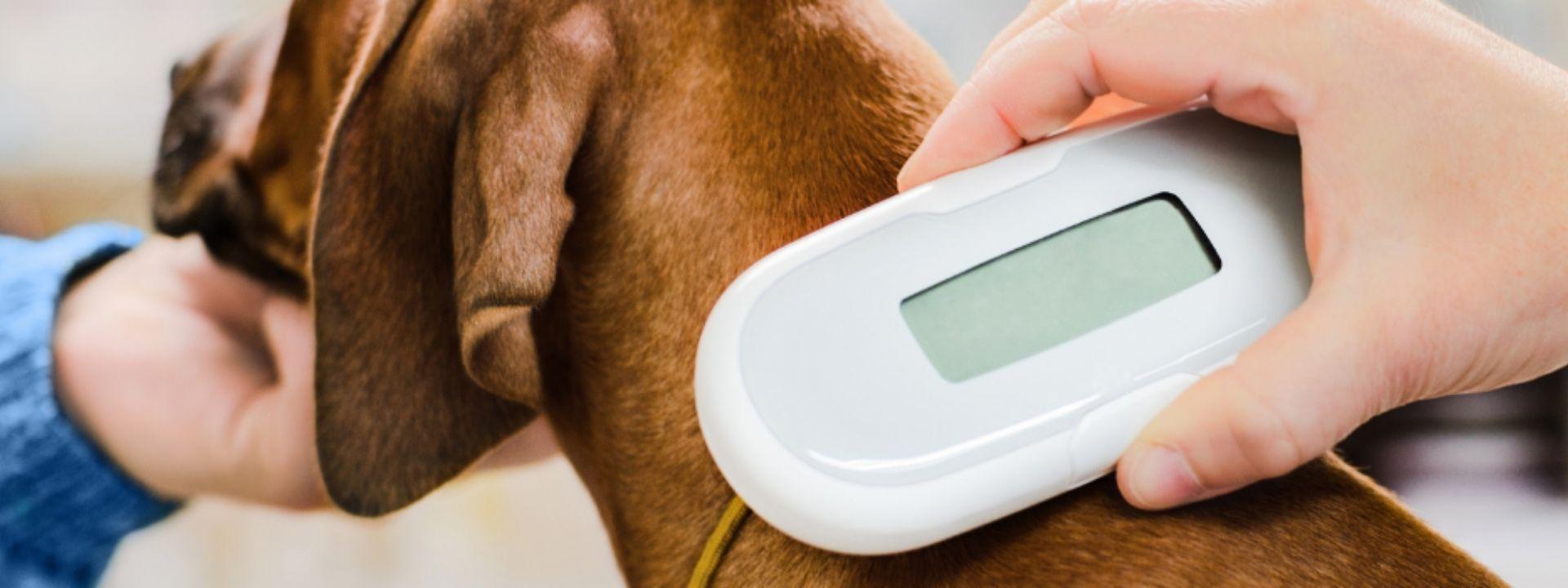
Each chip contains a unique identification number that links to your contact information in a secure database. If your pet is ever found and brought to a veterinary clinic or shelter, a quick scan can help reunite you quickly.
The reality of unexpected escapes
Most pets are not lost during big events. It often happens during everyday moments. A door is left open for a few seconds. A gate does not latch properly. A sudden noise causes a startled reaction.
Young pets are especially likely to wander because they are still learning their surroundings. Microchipping early ensures that if something unexpected happens, your pet already has a reliable form of identification in place.
What to expect during the procedure
Microchipping is a simple process that does not require surgery or anesthesia. A veterinarian or technician places the chip just under the skin between the shoulder blades using a sterile applicator.
The procedure takes only a few seconds. Most pets react the same way they would to a vaccine and return to normal activity immediately after.
Indoor pets still need protection
It is a common belief that indoor pets do not need microchips. However, indoor pets can be more vulnerable if they accidentally get outside. Without familiarity with their surroundings, they may hide or run rather than return home.
Microchipping provides a dependable backup, ensuring that even indoor pets have a permanent form of identification if they are found.
Registration is key
After your pet is microchipped, registering the chip is an important step. This connects your contact information to your pet’s unique ID number. Keeping that information updated is just as important. If your phone number or address changes, updating the registry ensures you can be reached quickly.
A simple step with lifelong impact
Microchipping is a one time procedure that provides lasting protection. It greatly increases the chances of being reunited with your pet and offers peace of mind that stays with you over time.
If you have recently welcomed a puppy or kitten, now is the ideal time to schedule microchipping. At Coolidge Veterinary Hospital, we are here to help you build a strong foundation for your pet’s safety, health, and lifelong companionship.