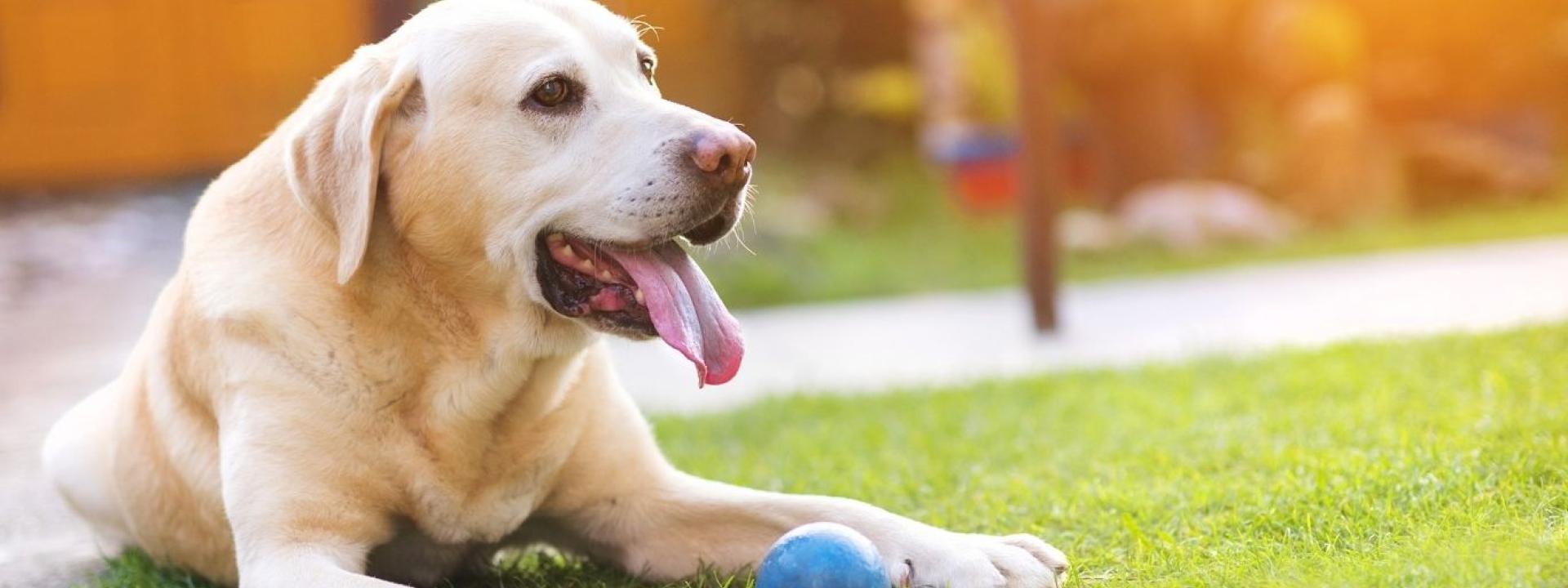
Pets do not need to change their diet for their weight to change. Sometimes their life changes instead. A young dog who once spent hours running around the yard becomes a calmer adult. A cat transitions from outdoor adventures to an indoor lifestyle. An older pet develops stiff joints and sleeps more. The same bowl that once matched an active routine can slowly become more food than the body needs.
At Coolidge Veterinary Hospital, we encourage pet owners to reconsider nutrition whenever a dog or cat enters a new life stage. Weight gain is often the result of an old feeding routine meeting a new metabolism or activity level. Recognizing that mismatch early can help Coolidge pets avoid carrying unnecessary weight for years.
Life Stages Rewrite the Calorie Budget
Puppies and kittens grow rapidly and can burn tremendous energy. Adult pets settle into different patterns. Spaying or neutering may change calorie needs. Senior pets may move less because of normal aging or discomfort.
Yet many families continue using the same scoop out of habit. That is understandable. Feeding is repetitive, and routines become automatic. A better approach is to treat portions as adjustable rather than permanent.
At wellness exams, ask whether your pet’s current amount still makes sense. Bring the exact food name and the quantity you feed. If you use several foods, treats, toppers, or supplements, mention those too. A veterinarian can consider body condition and lifestyle instead of guessing from weight alone.
Watch for the Activity Clues
A slowing pet does not always announce the change. Your dog may still happily go outside but spend more time lying in the shade. Your cat may still play but stop climbing to the top of the furniture. An older pet may avoid stairs without obviously limping.
These changes matter for two reasons.
- First, lower activity can reduce calorie needs and contribute to weight gain.
- Second, the reduced activity may be caused by pain or illness that deserves attention.
If your pet seems reluctant to move, do not simply cut food and assume laziness. Schedule an exam. Arthritis, injury, heart or respiratory concerns, and other health issues can affect exercise tolerance. Addressing the reason a pet slowed down may be an important part of managing weight.
Do the Three-View Body Check
Once a month, assess your pet from three perspectives.
- First, use your hands to feel the ribs. They should generally be identifiable without heavy pressure.
- Second, look down from above and check for waist definition.
- Third, look from the side for an abdominal tuck.
Add a fourth piece if you can: record the weight periodically. A veterinary scale is especially useful because it allows comparison under consistent conditions.
Do not rely too heavily on breed averages. Individual frame and muscle mass vary. Body condition scoring gives your Coolidge veterinarian a way to evaluate whether the amount of fat on your specific pet is appropriate.
Rural Space Doesn’t Automatically Mean Exercise
A large yard can give a dog room to move, but access to space does not guarantee activity. Many dogs walk outside, find a favorite spot, and relax. Cats may also spend most of the day resting even when they have plenty of room indoors.
Intentional movement helps. Walk the yard with your dog instead of simply opening the door. Toss a toy, practice recall, or create a scent trail. Indoors, use short training sessions or puzzle feeders. For cats, move toys through different areas, add safe climbing opportunities, and encourage several short play periods.
During hot Arizona weather, schedule activity around safe temperatures. Exercise should support health, not create heat risk.
The Farmhouse-Sized Treat Problem
Treat size should match the pet, not the generosity of the person giving it. A large biscuit can be a significant calorie event for a small dog. Repeated every day, it may contribute more than owners expect.
Break treats into small pieces. Use regular kibble for rewards. If your dog enjoys produce, ask your veterinarian which lower-calorie dog-safe foods may be appropriate. Avoid assuming that “natural” automatically means low calorie.
Cats often respond well to tiny food rewards, especially when they have to chase or search for them. The goal is to preserve the fun while reducing the calorie load.
Separate Food From Love
Feeding is one of the easiest ways humans communicate affection to animals. Pets quickly learn this system and become excellent negotiators. A stare beside the pantry can feel like a formal request for additional compensation.
Build non-food rituals into the day.
- Brush your pet.
- Sit outside together during a safe, cool period.
- Play with a favorite toy.
- Practice a trick.
- Give your cat access to a favorite window perch.
Attention can remain abundant even when snacks become more limited.
This matters because a sustainable weight plan should not make owners feel as though they are withholding affection. You are changing calories, not the relationship.
When Weight Loss Needs Veterinary Supervision
Some pets need more than a smaller scoop. If your dog or cat has significant excess weight, chronic disease, joint pain, unexplained weight gain, or unusual appetite changes, veterinary guidance is important.
Your veterinarian can recommend an appropriate calorie target, diet, activity plan, and recheck schedule. Weight-management foods may help certain pets receive balanced nutrition while consuming fewer calories. For cats, slow and controlled weight loss is essential because rapid weight loss can cause dangerous hepatic lipidosis.
Rechecks allow the plan to change as the pet changes. A successful plan is not written once and forgotten.
Let the Routine Grow With Your Pet
Your pet’s needs at age two may not be their needs at age eight. Healthy weight management works best when feeding and activity evolve along with the animal.
Coolidge Veterinary Hospital can help dog and cat owners in Coolidge evaluate body condition, nutrition, mobility, and changing calorie needs throughout every life stage. If the food scoop has stayed the same while your pet’s routine has changed completely, now is a good time to reassess. Small adjustments to an everyday routine can help prevent extra pounds from becoming an everyday health burden.