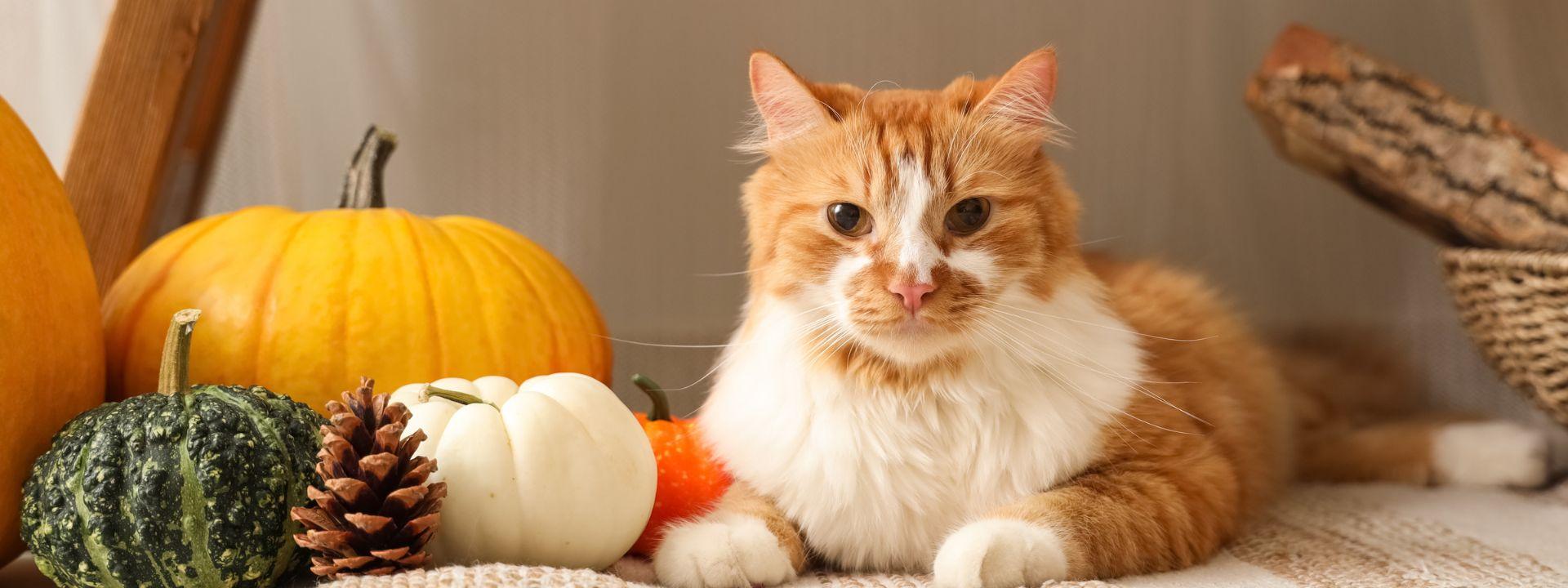
You know that look. You're sitting down to Thanksgiving dinner, and your dog is staring at you like they haven't eaten in weeks. Meanwhile, your cat has suddenly developed a very strong interest in whatever's happening on the kitchen counter.
It's hard not to give in, especially during a holiday centered around sharing food.
But before you slip your pet a bite of turkey or let them lick the mashed potato spoon, it's worth knowing which Thanksgiving foods can cause problems.
At Coolidge Veterinary Hospital, we want pet owners in Coolidge, AZ, to feel confident about keeping their four-legged family members safe during the holidays. Let's walk through a typical Thanksgiving meal and identify the foods that should stay on the human side of the table.
Let's Start With the Turkey
Turkey is usually the first thing pets notice when Thanksgiving dinner is served.
The good news is that plain, fully cooked turkey meat can be a safe occasional treat for many dogs and cats.
The catch? Thanksgiving turkey rarely comes plain.
Butter, garlic, onions, herbs, and salty seasonings can turn a simple protein into something that causes digestive problems.
The skin is particularly fatty, and eating a large amount may trigger pancreatitis, a painful inflammatory condition affecting the pancreas.
Turkey bones are another concern. Cooked bones can break into sharp fragments that may become lodged in the throat or damage the digestive tract.
Pet-friendly alternative: Set aside a small piece of boneless, skinless turkey before adding seasonings. Make sure it's thoroughly cooked and cooled before offering it to your pet.
Next Up: The Side Dishes
Thanksgiving sides are where things get especially tricky.
Stuffing
Stuffing may contain several ingredients that are harmful to pets, including onions, garlic, and large amounts of butter.
Onions and garlic belong to the Allium family and can damage red blood cells in dogs and cats. This can lead to anemia, with symptoms sometimes developing days after ingestion.
Garlic powder and onion powder are concentrated forms, so even foods that don't contain visible pieces can be concerning.
Green Bean Casserole
Green beans themselves are generally safe for healthy dogs in small amounts.
But green bean casserole often includes creamy soup, fried onions, butter, and seasonings.
Instead of sharing the casserole, offer a few plain, cooked green beans.
Sweet Potato Casserole
Sweet potatoes can be a nutritious occasional treat when cooked and served plain.
Thanksgiving versions, however, frequently contain marshmallows, brown sugar, butter, and other ingredients your pet doesn't need.
Some specialty sugar-free toppings or ingredients may contain xylitol, which is highly toxic to dogs.
Macaroni and Cheese
While a small amount of plain cheese isn't necessarily toxic to every pet, rich macaroni and cheese can cause stomach upset.
Some pets are sensitive to dairy products, and the combination of fat, salt, and seasonings makes this dish a poor holiday choice.
Don't Forget About the Desserts
Dessert is another area where pets can accidentally get into trouble.
Chocolate contains theobromine and caffeine, which dogs and cats cannot process as efficiently as humans.
The darker and more concentrated the chocolate, the greater the risk.
Raisin-filled cookies, fruitcakes, and certain holiday breads are particularly dangerous for dogs because raisins can cause acute kidney injury.
Sugar-free desserts may contain xylitol. In dogs, this sweetener can cause a sudden, life-threatening drop in blood sugar and potentially liver damage.
Even traditional desserts such as pumpkin pie can contain too much sugar, fat, and spices for pets.
If you'd like your pet to enjoy pumpkin, choose plain, unsweetened pumpkin without added spices or sweeteners.
The Sneaky Danger: Thanksgiving Leftovers
Sometimes the biggest risks don't happen during dinner.
They happen afterward.
A turkey carcass left on the counter, a garbage bag filled with bones, or a plate of leftovers sitting on the coffee table can become an irresistible opportunity.
Dogs are especially skilled at finding food in places we assume are out of reach.
Cats may investigate food scraps, greasy pans, or discarded packaging.
A few easy precautions can make a big difference:
- Dispose of turkey bones in a secured trash container.
- Refrigerate leftovers promptly.
- Keep serving dishes away from counter edges.
- Ask guests not to feed pets without permission.
- Supervise pets when food is being prepared or cleared.
Remember that holiday visitors may not know your pet's dietary restrictions. A friendly reminder before dinner can prevent a well-intentioned guest from sharing something dangerous.
What Happens If Your Dog or Cat Eats the Wrong Thing?
Not every Thanksgiving food accident leads to an emergency, but it's important to take potential exposures seriously.
The appropriate response depends on what your pet ate, how much they consumed, their size, and their overall health.
For example, a healthy large dog that steals one plain green bean is a very different situation from a small dog that eats a handful of raisins.
If you suspect your pet consumed something harmful, contact a veterinarian promptly.
Have the following information ready: your pet's approximate weight, the food involved, the amount eaten, the time of ingestion, and any symptoms you've noticed.
If the food contains chocolate, raisins, grapes, xylitol, onions, or garlic, seek veterinary guidance immediately.
Do not give hydrogen peroxide, medication, or other home remedies unless specifically directed by a veterinary professional.
How to Recognize a Thanksgiving Food Emergency
Pets may show signs of illness shortly after eating something inappropriate, or symptoms may take hours or days to appear.
Common warning signs include vomiting, diarrhea, drooling, abdominal discomfort, weakness, trembling, or unusual behavior.
More serious symptoms can include difficulty breathing, seizures, collapse, or a noticeably swollen abdomen.
A dog that repeatedly tries to vomit without producing anything, particularly with abdominal swelling, needs immediate emergency attention.
If your pet seems uncomfortable, isn't acting normally, or has consumed a known toxin, it's safest to seek professional guidance.
Make Your Pet Their Own Thanksgiving Treat
One of the easiest ways to keep pets from begging is to prepare something just for them.
Before cooking your holiday dishes, set aside a small amount of plain turkey or cooked vegetables.
You can also serve your pet's regular food in a puzzle feeder or enrichment toy while everyone else enjoys dinner.
For pets with sensitive stomachs, allergies, or chronic medical conditions, sticking with their usual diet may be the safest option.
And remember, treats should make up only a small portion of your pet's daily calories.
Enjoy the Holiday Without the Worry
Thanksgiving is a wonderful opportunity to slow down and enjoy time with the people and pets who make life special.
With a little planning, your dog or cat can be included in the celebration without being exposed to potentially dangerous foods.
At Coolidge Veterinary Hospital in Coolidge, AZ, we're happy to help pet owners navigate questions about nutrition, food safety, and unexpected health concerns.
If your pet gets into Thanksgiving leftovers or starts showing signs of illness, contact our team for advice. If you suspect poisoning or your pet is experiencing severe symptoms, seek emergency veterinary care immediately.
A safe holiday is something the whole family can be thankful for, paws included.